Cracking the Code
Navigating Title 24 Updates for K-12 Schools
By: Brendan Kolts, PE
Over the past several years, California’s Title 24 requirements have increasingly shaped decisions much earlier in the design process than they once did. Energy code compliance is not something teams can address late in design without consequence. Today, it influences infrastructure sizing, budget allocation, system selection, and long-term campus operations from the very beginning.
In my work supporting K–12 and higher education projects throughout California, I see districts navigating growing pressure to balance compliance with operational realities. As energy standards evolve, the challenge isn’t just meeting code, it’s understanding how those requirements affect the way campuses are planned, modernized, and maintained over time.
Title 24 Is No Longer Just an Energy Conversation
One of the most important shifts I’ve observed is that Title 24 is no longer solely an energy discussion. Many requirements are mandatory, meaning they can’t be traded away through performance methods or late-stage adjustments. As a result, early decisions carry more weight and ripple across disciplines.
This is particularly true for school districts planning phased modernizations or future additions on active campuses. Electrical infrastructure, mechanical systems, site planning, and building envelopes are increasingly interconnected. Understanding the difference between mandatory requirements and prescriptive options early on can help districts avoid redesign, cost escalation, and schedule impacts later.
Four Key Shifts
Across recent projects, four recurring themes continue to shape how districts approach compliance and planning.
Solar and Battery Storage Are Becoming Baseline
Photovoltaic and battery energy storage systems are no longer an elective option and are now baseline requirements on school campuses. These systems influence much more than rooftops. They affect electrical rooms, site and parking layouts, maintenance planning, and safety considerations.
What matters most is understanding feasibility early. Evaluating available space, interconnection constraints, and long-term operational needs at the beginning of a project allows districts to integrate these systems more smoothly, rather than treating them as late additions.
EV Charging Infrastructure Is Expanding
Electric vehicle requirements continue to grow, driven by energy code updates and local planning policies. Even when full build-out isn’t immediately required, projects often need to be EV-ready, which means planning for pathways, panel capacity, and future expansion.
On many existing campuses, the largest constraint isn’t the chargers themselves, but the available electrical capacity. Thinking ahead about how EV infrastructure fits into long-term fleet planning and campus growth is becoming an essential early discussion.
Mechanical Systems Are Moving Toward Electrification
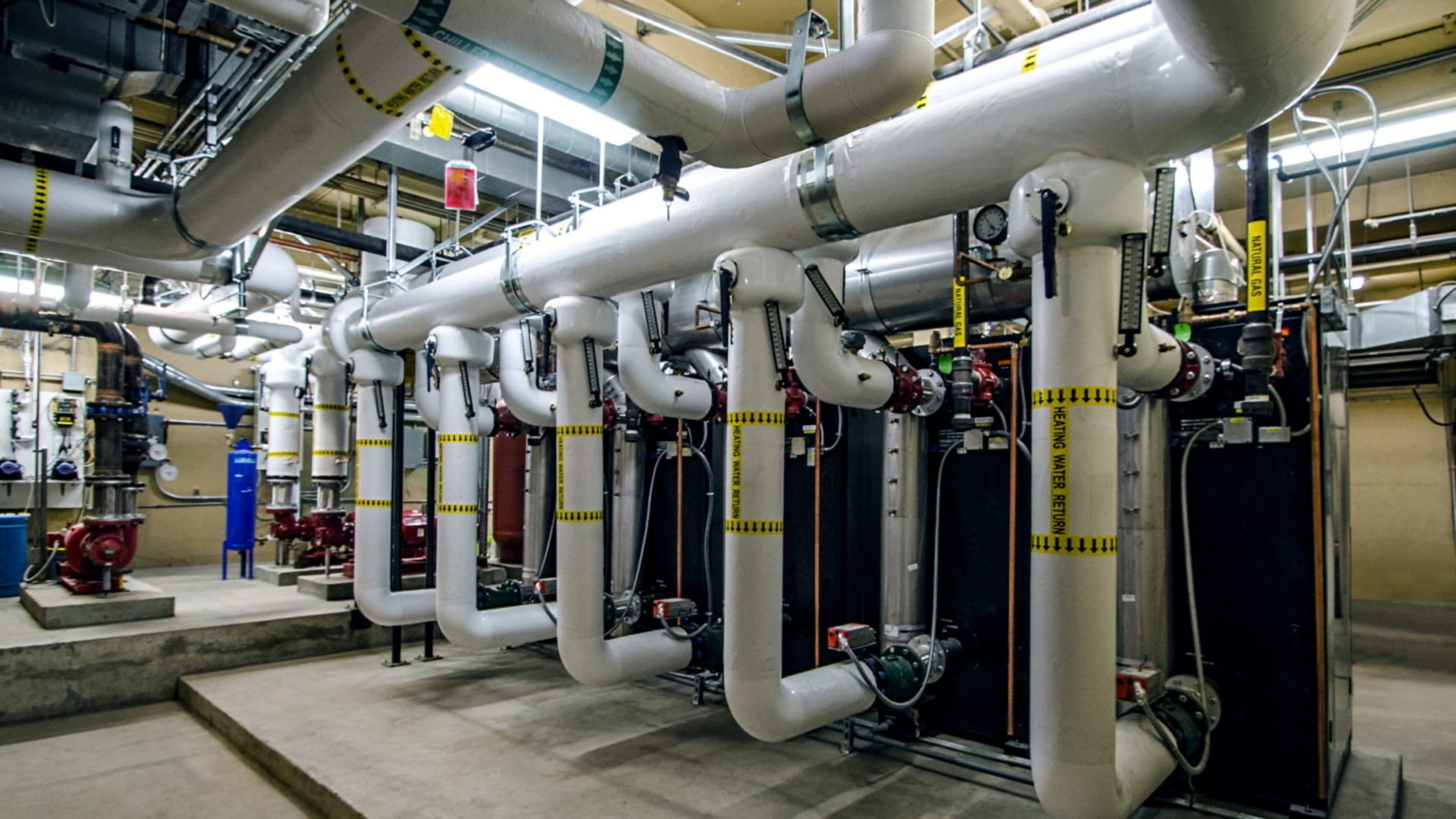
Mechanical system electrification, particularly through heat pump technology, is another shift influencing campus electrical demand. These systems can support long-term efficiency goals, but they also require careful coordination across disciplines.
From electrical capacity to resiliency planning and maintenance considerations, these choices affect how campuses operate day to day. Early coordination helps teams evaluate trade-offs and align system selection with both compliance and operational comfort.
Higher-Performance Building Envelopes Are Required
Finally, building envelope performance plays a larger role under current standards, which places more importance on coordination between architectural design and engineering system performance.
Decisions around insulation, glazing, and detailing now influence compliance strategies earlier, reinforcing the need for integrated thinking from day one.
Moving Forward
with Title 24
Title 24 requirements will continue to evolve, but the most successful projects tend to follow the same approach: evaluate requirements early, coordinate across disciplines, and plan infrastructure with long-term operations in mind.
Addressing those conversations at the beginning of a project helps reduce redesign, minimize schedule impacts, and create campuses that perform more efficiently over time.
For K–12 districts, that means asking key questions upfront:
- Can the campus support future electrical demand?
- How will phased improvements impact existing systems?
- Are operational and maintenance impacts being considered early enough?
About the Author
Brendan Kolts, PE is a licensed Professional Engineer with nearly 20 years of electrical engineering experience across California, the U.S., and abroad. His work at TETER Architects & Engineers focuses on K–12 and higher education projects, with an emphasis on navigating California’s evolving energy and code requirements.

 Modesto Jr. College East Campus Central Plant